New HIV Antibody Treatment Shows Promise — But Who Would Benefit Most?
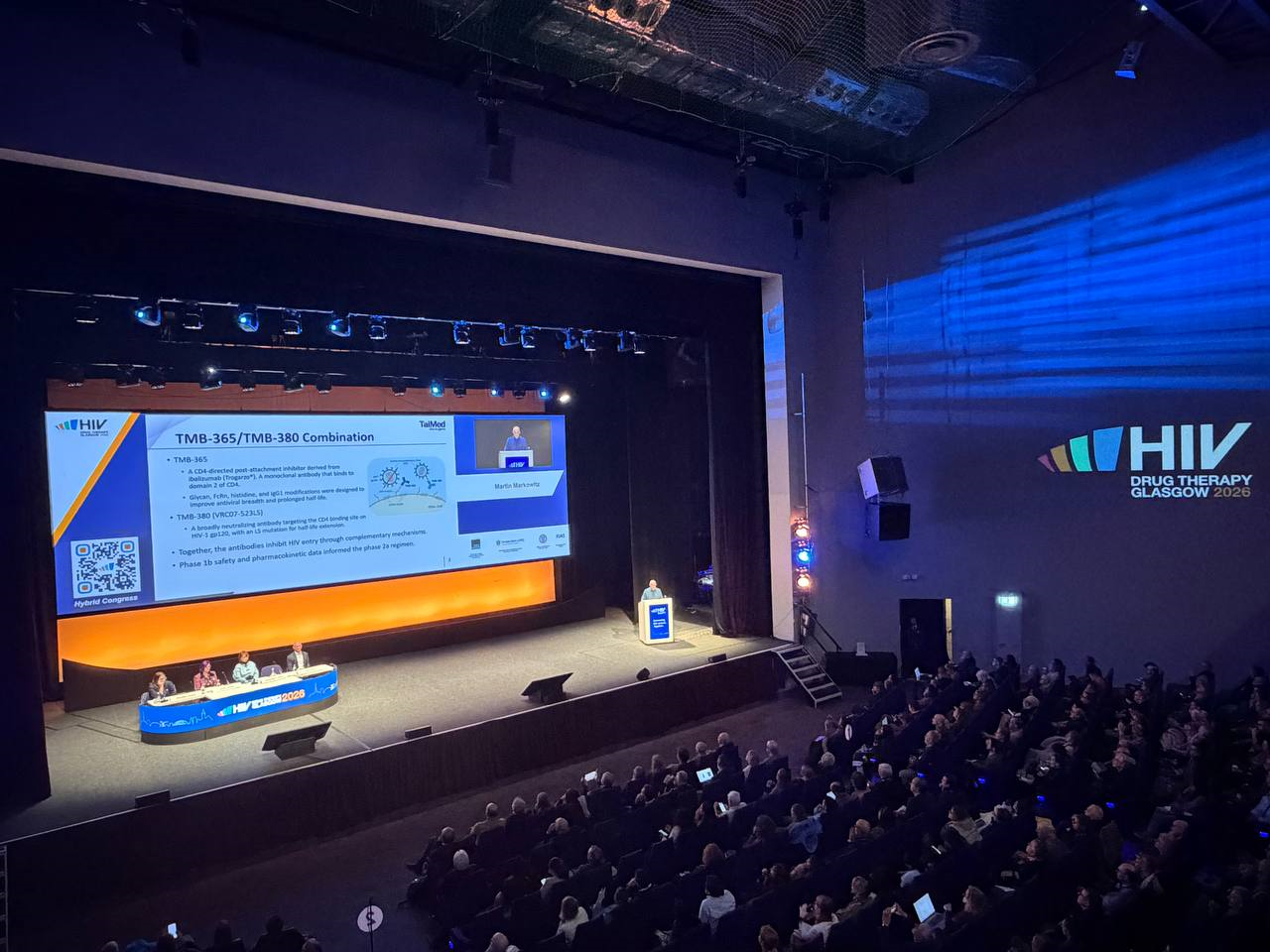
An experimental HIV treatment administered intravenously every eight weeks maintained viral suppression in most participants in a small clinical study. At HIV Drug Therapy Glasgow 2026, however, a key question emerged: Who would actually benefit from a treatment that still requires regular clinic visits?
Modern antiretroviral therapy has transformed HIV into a manageable chronic condition. Yet researchers continue to explore alternatives that could simplify long-term treatment, particularly for people managing multiple health conditions.
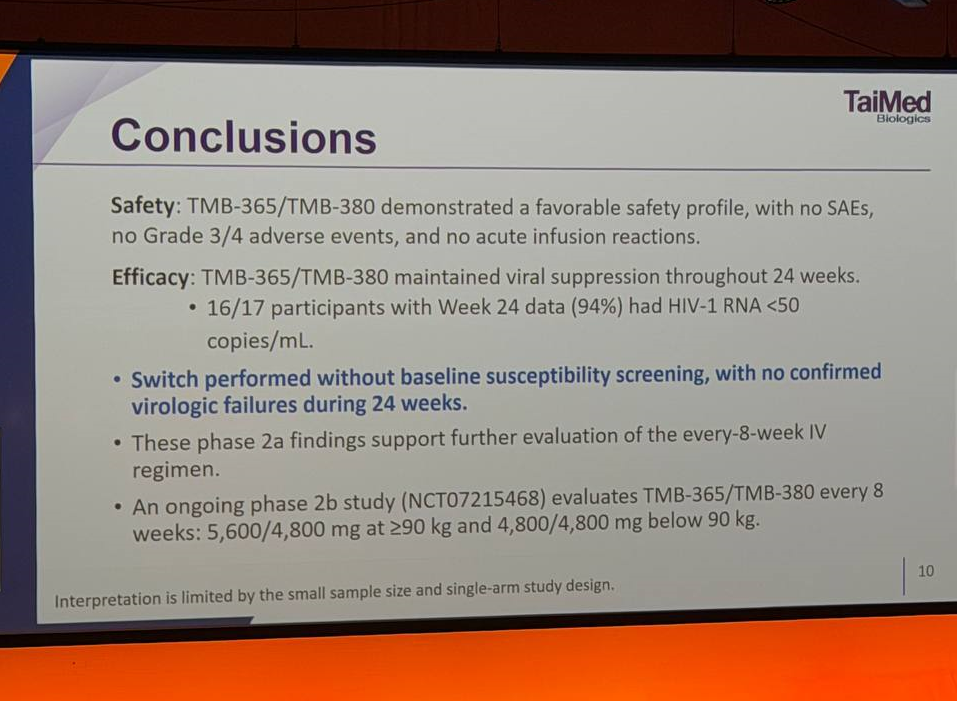
At HIV Drug Therapy Glasgow 2026, biotechnology company TaiMed Biologics presented results from a Phase 2a study investigating two long-acting antibodies, TMB-365 and TMB-380, administered intravenously every eight weeks.
Two antibodies targeting HIV
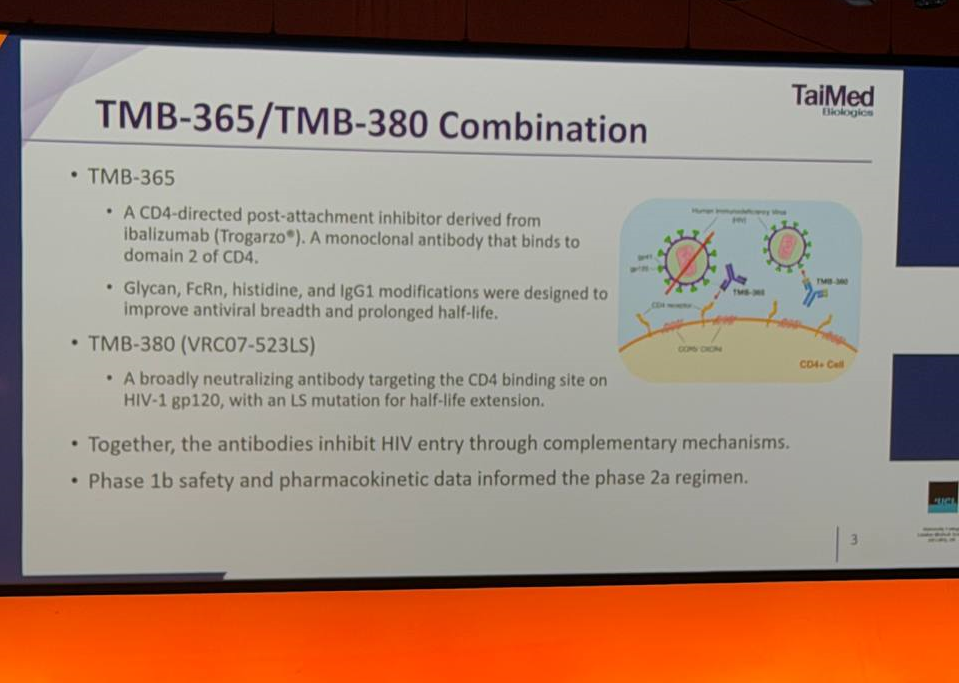
The experimental combination uses two antibodies that prevent HIV from entering human immune cells through complementary mechanisms.
TMB-365 is derived from ibalizumab, an existing HIV antibody treatment, and binds to the CD4 receptor on immune cells. TMB-380 is a broadly neutralizing antibody targeting the CD4-binding site on HIV’s gp120 envelope protein.
Both antibodies have been engineered to remain active in the body for longer periods, potentially allowing treatment intervals of eight weeks.
Encouraging results after 24 weeks
The study enrolled 20 adults living with HIV whose viral loads were already suppressed by conventional antiretroviral therapy.
Participants switched to the antibody combination, receiving 4,800 milligrams of each antibody every eight weeks.
At Week 24, 16 of the 17 participants with available viral load measurements — approximately 94% — maintained HIV RNA levels below 50 copies per milliliter.
One participant recorded a viral load of 59 copies per milliliter. Although five temporary increases in viral load occurred during the study, none met the protocol-defined criteria for confirmed virologic failure.
Notably, participants were switched to the antibody combination without baseline testing for viral susceptibility to the antibodies.
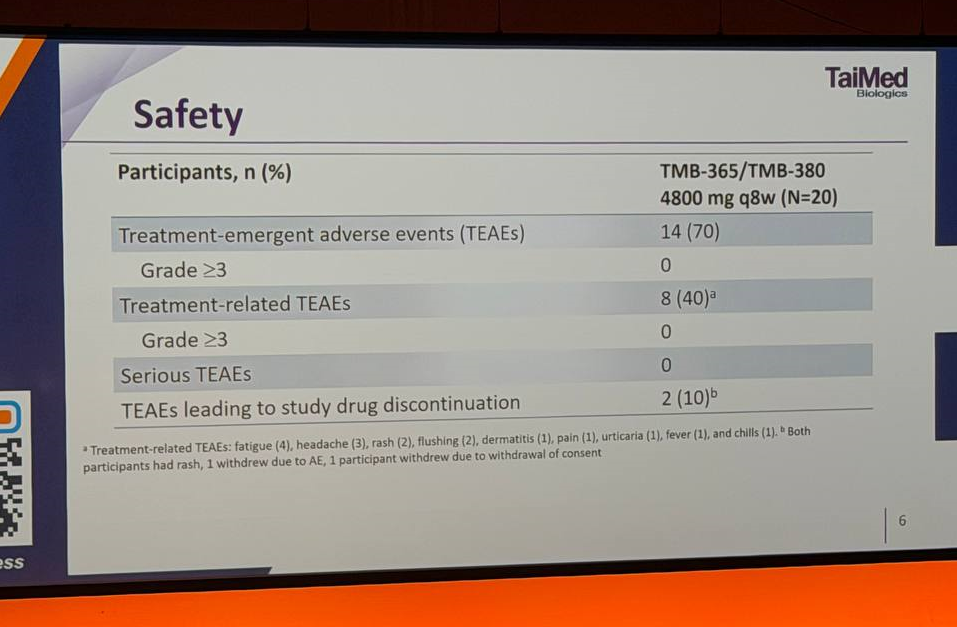
The safety findings were also generally encouraging. No serious adverse events or Grade 3 or higher adverse events were reported.
However, eight participants experienced treatment-related adverse events, including fatigue, headaches, rashes and flushing. Two participants discontinued treatment because of adverse events.
Is visiting a clinic every eight weeks really more convenient?
An important question raised during the discussion following the presentation concerned the practical value of the treatment.
If patients still need to attend a clinic every eight weeks for an intravenous infusion, how much convenience does the new approach actually offer?
After all, effective daily oral treatments and long-acting injectable HIV therapies are already available.
In response, the presenter suggested that the antibody combination might be particularly relevant for older adults living with HIV, especially those experiencing polypharmacy — the simultaneous use of multiple medications.
As people with HIV age, many develop additional chronic conditions requiring treatment. Managing several medications increases the potential for drug–drug interactions, which can complicate antiretroviral therapy.
Antibody-based treatments may offer an advantage in this context. Unlike many conventional antiretroviral drugs, monoclonal antibodies are not primarily metabolized through the liver enzyme pathways responsible for numerous drug interactions.
This could potentially reduce certain drug–drug interactions, although it does not eliminate all interaction risks.
For older patients who already attend regular medical appointments, receiving an intravenous treatment every eight weeks might also be a reasonable alternative to adding further daily medication.
The discussion highlighted an important distinction: A treatment does not necessarily need to be more convenient for everyone to offer meaningful benefits to a particular patient population.
However, the potential advantages for older adults with polypharmacy remain a clinical hypothesis rather than a benefit demonstrated by this small study.
Promising, but important questions remain
Despite the encouraging findings, the results require cautious interpretation.
The study included only 20 participants, had no control group and followed patients for just 24 weeks. All participants had already achieved viral suppression before switching treatment.
Whether the antibody combination can maintain suppression over several years, how it compares with established therapies, and which patients would benefit most remain unanswered questions.
A larger Phase 2b study is now evaluating different weight-based doses of the combination, administered every eight weeks.
The findings presented in Glasgow suggest that long-acting antibodies could eventually expand HIV treatment options.
But perhaps the most important question is not simply whether HIV treatment can be given every eight weeks. It is whether such an approach could provide a meaningful clinical advantage for people whose existing medications, age or other health conditions make conventional treatment more complicated.