CROI 2020: COVID-19 Special Session
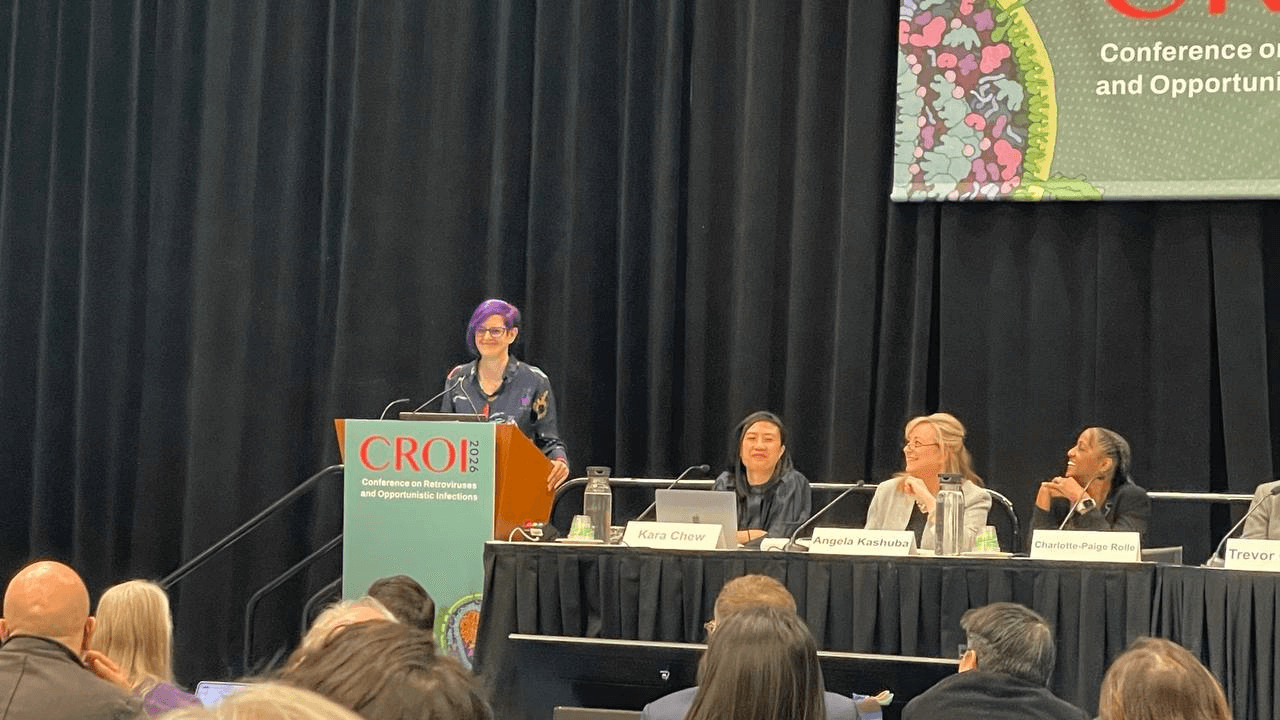
Last Tuesday, March 10, at a conference in the United States on retroviruses and opportunistic infections (CROI 2020), a special session was held on the novel coronavirus and the condition known as COVID-19.
Four reports were presented on key aspects of the epidemiology of the virus, the reasons for its spread, as well as methods of treatment and prevention.
Note: The situation is rapidly developing. All facts and figures in this article were correct at time of presentation on March 10th 2020.
As the moderators of the session noted, the COVID-19 is a new disease but has already in a short time affected the lives of tens of thousands of people. Currently, the number of infected is estimated at around 126,000 and infections have been reported in more than 100 countries.
What is the background?
The session started with a presentation from Dr. Zunyu Wu, a leading specialist of the Center for Disease Control and Prevention of the PRC. The virus was first noticed in December 2019, in the Chinese province of Hubei.
The World Health Organisation (WHO) and other countries were notified of the threat of a new virus on January 3, and on January 20, COVID-19 was added to the list of diagnosed diseases. Isolation measures in response to the spread of the virus began to be undertaken by countries on 23 January.
Initially experts on the ground did not immediately notice the extremely high transmission rate of COVID-19. Dr. Wu said it took the virus only 30 days to spread from 14 Chinese districts to over 1,300 districts.
Who is most affected?
Epidemiologists have not observed a noticeable difference in the impact of the virus on women or men. The vast majority of cases (94%) are recorded in the age group of 22 - 79 years.
Speaking about people with HIV, Dr. John T. Brooks of the CDC pointed out the need to follow a series of recommendations:
- Ensure an adequate supply of drugs (at least 30 days)
- Inoculate against influenza, pneumococcus (in line with local guidelines).
- Develop a clinical care plan if the person is isolated
- Constantly maintain social contacts, but remotely
Treatment & Vaccines
Touching on the topic of treatment, the drug Gilead remdesivir is currently recognised as the best candidate for the role of drug therapy in COVID-19. It has demonstrated good antiviral activity in in-vitro studies and is already being tested in at least four large randomised trials.
The development of candidate vaccines is also underway.